
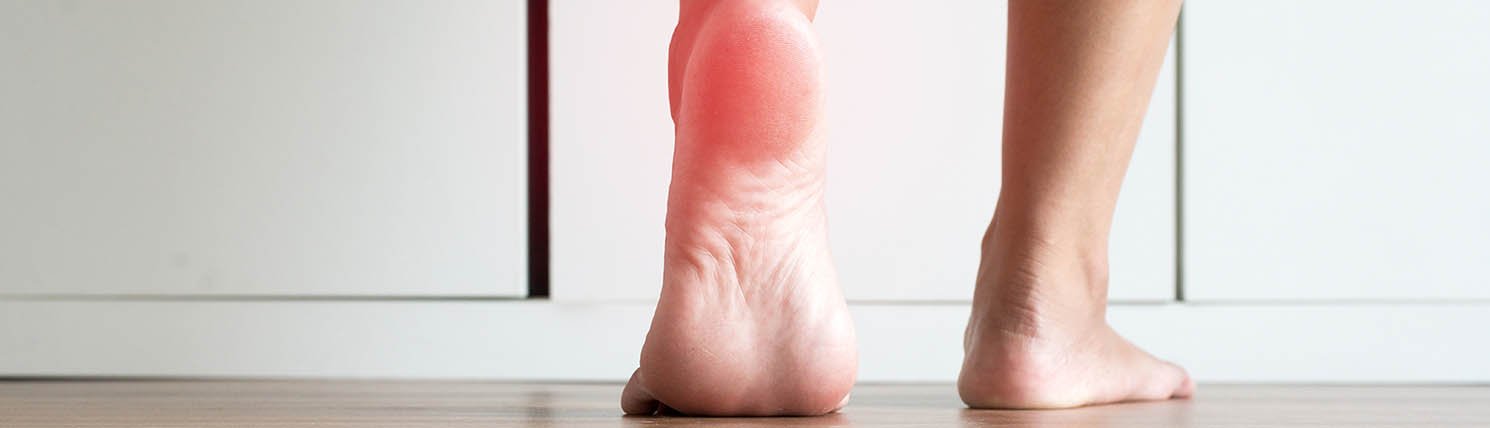
What Is Plantar Fasciitis?
Plantar fasciitis or plantar fascia pain is a condition causing pain in the foot.
It is characterised by ‘first step pain’, this is when it's painful when first putting weight on the foot in the morning, and the pain that’s worse when getting up after a long period of sitting. It’s an overuse injury and is common in those that stand for long periods of time or those that have recently increased their activity level. Plantar fasciitis normally starts gradually and the pain is normally located over the inner or medial aspect of the foot.
Why Can Plantar Fasciitis Feel Worse in Winter?
Plantar fasciitis is one of the most common causes of heel pain. While it can occur at any time of year, some people find their symptoms become more noticeable during winter. Changes in activity levels, footwear and daily routines can all contribute to increased discomfort.
Although cold weather does not directly cause plantar fasciitis, several seasonal changes can contribute to increased symptoms.
1. Reduced Activity and Increased Stiffness
During winter, shorter days and colder temperatures can mean we spend more time indoors and move less throughout the day.
Periods of inactivity can contribute to stiffness in the feet and ankles. When you suddenly get up and start walking, the plantar fascia is placed under load, which may cause discomfort
2. Changes in Footwear
Winter often means switching to heavier boots, slippers or shoes that may not provide adequate support.
Footwear with limited cushioning or arch support can increase the demands placed on the plantar fascia. Equally, walking around the house barefoot on hard floors may aggravate existing heel pain.
3. Less Time Spent Warming Up
When temperatures drop, we may be more inclined to head straight out for a walk or exercise without preparing our bodies.
If you already experience plantar fasciitis, suddenly increasing the load on your feet without gradually warming up may make symptoms more noticeable.
4. Changes to Your Exercise Routine
Winter can change our usual exercise routine. Some can become less active while others may suddenly increase their activity levels when returning to exercise or starting new fitness routines in January. Or some who like to exercise outside may suddenly change their routine to an inside routine.
All these changes can affect the plantar fascia. A sudden increase in walking, running or standing time can place additional stress on the tissue, particularly if your feet are not accustomed to that level of activity.
When Should You See a Physiotherapist?
Occasional foot discomfort can happen, but persistent or recurring heel pain should not be ignored.
Consider seeking a physiotherapy assessment if:
Your heel pain has lasted several weeks.
You experience significant discomfort when taking your first steps in the morning.
Walking, running or standing is becoming increasingly difficult.
Your symptoms keep returning despite trying to manage them at home.
Plantar fasciitis is a painful condition but with a thorough physiotherapy approach pain can be reduced and function can be restored. Contact us here at Ballsbridge Physiotherapy for more information or book an online appointment.
FAQ
-
Recovery varies from person to person. Some people notice improvements within a few weeks, while others may experience symptoms for several months. The duration depends on factors such as how long the condition has been present, activity levels and how well the foot responds to treatment.
-
Plantar fasciitis can improve over time, particularly with appropriate changes to activity and footwear. However, ignoring persistent symptoms or continuing activities that significantly aggravate the condition may prolong recovery. Early assessment can help identify contributing factors and guide effective treatment.
-
Walking is not necessarily bad for plantar fasciitis. In fact, maintaining an appropriate level of activity is generally encouraged. However, excessive walking or suddenly increasing your daily step count can aggravate symptoms. The key is finding a manageable activity level that allows your foot to recover while maintaining movement.
-
No. Although the two conditions can occur together, they are not the same thing. A heel spur is a small bony growth that develops on the underside of the heel bone. Plantar fasciitis involves irritation and changes within the plantar fascia. Importantly, many people have heel spurs without experiencing any pain, so the presence of a spur does not necessarily explain your symptoms.
-
Some people find that supportive insoles or orthotics help reduce discomfort by improving foot comfort and redistributing pressure. However, they are not essential for everyone, and research does not suggest that custom orthotics are consistently better than prefabricated options. Our physiotherapists can help determine whether additional foot support may be beneficial.

Physiotherapy
We specialise in the treatment and prevention of injuries and conditions. If you are suffering with any health aliments that you feel we could help you with, get in touch today. We provide treatment for a wide age range from 9 years to 90 years old.