
What is Iliacus Muscle Pain and How to Treat it?
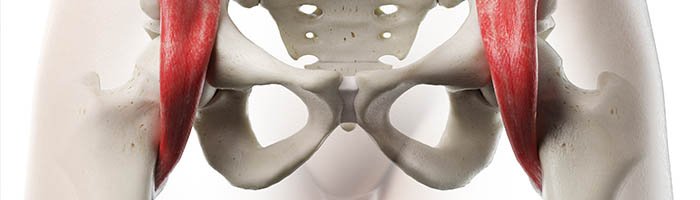
What is the iliacus muscle? What does it do?
The iliacus muscle is a flat triangular muscle located deep in your pelvis/hip. It combines with your psoas major and psoas minor to form the iliopsoas muscle. This group of muscles help to flex your hip, anteriorly tilt your pelvis, bend your trunk forward, and side bend your trunk. It plays a big role in your everyday life during walking, running, sitting, or standing.
This muscle is commonly injured with sports that cause you to flex your hip often like in gymnastics, dancing, and track and field. It can also be injured in people who spend a lot of their time sitting as your muscle adapts to the shortened position it spends most of its time in. It is also common in those who do not warm-up properly before exercising.
Different Conditions involving the Iliacus muscle
Generally speaking, this type of injury will result in reduced movement in your hip/back, as well as stiffness, weakness, and possibly some swelling and inflammation. As mentioned above, this muscle has a lot of different roles so you can feel discomfort in your hip, back, groin, or even referred down to your knee.
There are a range of different conditions labelled under iliopsoas syndrome. This can include tendonitis, snapping hip syndrome and bursitis.
Bursitis: This is when the fluid filled sac that reduces friction near the iliacus muscle becomes inflamed. This causes pain that often radiates to the legs and hips. It can be common in those with tight hips like runners, skiers, and swimmers. Tight hips cause increased pressure on surrounding ligaments, joints, and muscles. It is best to get this seen sooner than later by a physiotherapist or your GP. It is important to watch out for signs of infection (pain, fever, chills, warm/red skin, and feeling sick) and contact your GP immediately if you notice these signs and symptoms.
Tendinopathy/Tendonitis: This involves the tendons of the iliopsoas muscle and is common in people that hyperextend their hips like dancers. You will notice pain in the hip/groin/low back area especially with kicking and rotating your hip. You may even notice a snapping sound or feeling.
What can we do to treat it?
It is important to get these conditions looked at by a physiotherapist and/or your GP. They can work together to determine the cause and rule out other conditions. At your physiotherapy appointment, we will look at the range of motion, and strength of your hip to look for any muscle imbalances and movement limitations.. Common areas would include weakness in your glutes or core, and poor endurance and/or tightness in your hip flexor muscles themselves. We can prescribe targeted exercises and stretches to help relieve your pain and prevent it from happening again. We can also advise on walking aids, icing/heating, and provide manual therapy and trigger point release.
If any of this sounds like you, come book an appointment online or give us a call today at Ballsbridge Physiotherapy in Dublin 4.
Patient Testimonial
“Attending physio here has impacted my quality of life significantly. I am in my early twenties and broke my tailbone when I was younger. I had severe pain in my pelvic floor and in my upper back which affected my ability to sleep, walk, and get through the day. Aileen has managed to completely remove any pain and tension from my pelvic floor and my upper back. My flexibility has improved massively and I can finally sleep the whole way through the night! There’s nothing I can’t do anymore and the relief is immense both physically and mentally. Thanks for everything.”
Related Blogs
-
Snapping Hip Syndrome (SHS) also known as Dancer’s hip is mostly recognised by patients as a sound of a “click” or “snapping” sound/sensation in the hip when the hip joint is being moved in certain directions or positions.
This sound usually represents a tendon snapping across the hipbone. This motion can create friction and irritation to the soft tissues in the area which can cause pain.
-
Psoas is a large and powerful hip flexor muscle. It connects the vertebrae (back bones) to the top of the femur (thigh bone).
Psoas muscle pain, or psoas syndrome, can manifest in a variety of different ways, depending on the severity of the injury or tightness. The type of pain felt by most people is a deep, aching pain often difficult to pinpoint.
-
You may have heard some of these terms to describe overuse conditions like tennis elbow, Achilles tendonitis or plantar fasciitis. Let’s go through these terms and what they mean for your recovery.
Tendon: This is what connects muscles to your bones and is a common site for pain and overuse injuries.
-
Pelvic Girdle Pain, also known as PGP, is pain experienced in the hips, thighs, lower back and around the pelvic joints.
Pelvic girdle pain can be caused by uneven movement of either side of the pelvis, decreased strength of the core and pelvic floor muscles leading to increased pelvic instability.
Meet Your Physio’s

Aileen Maquire
Aileen is a Chartered Physiotherapist and Clinic Director with over 30 years of clinical experience. She has a specialist interest in treating pelvic and hip pain. By combining her musculoskeletal expertise with advanced pelvic knowledge, Aileen provides a comprehensive approach to supporting you regain movement and reduce pain.

Lesley Lowe
Lesley is a Chartered Physiotherapist with over 10 years of experience in private practice. She specialises in musculoskeletal rehabilitation, balance and vertigo, and is a certified Pink Ribbon Breast Cancer physiotherapist. As a qualified APPI Pilates instructor, she enjoys helping people stay active, strong, and confident in their movement.
Pelvic Health Services
Our Clinic Director, Aileen Maguire runs the pelvic floor rehabilitation service in the clinic. Treating both male and female patients with bladder and bowel incontinence and pelvic pain. She also works with the Mater University Hospital, within a multi-disciplinary team; managing a complex group of patients requiring pelvic floor rehabilitation.