
Top Physiotherapy Tips for Safe Summer Hiking in Ireland
Introduction
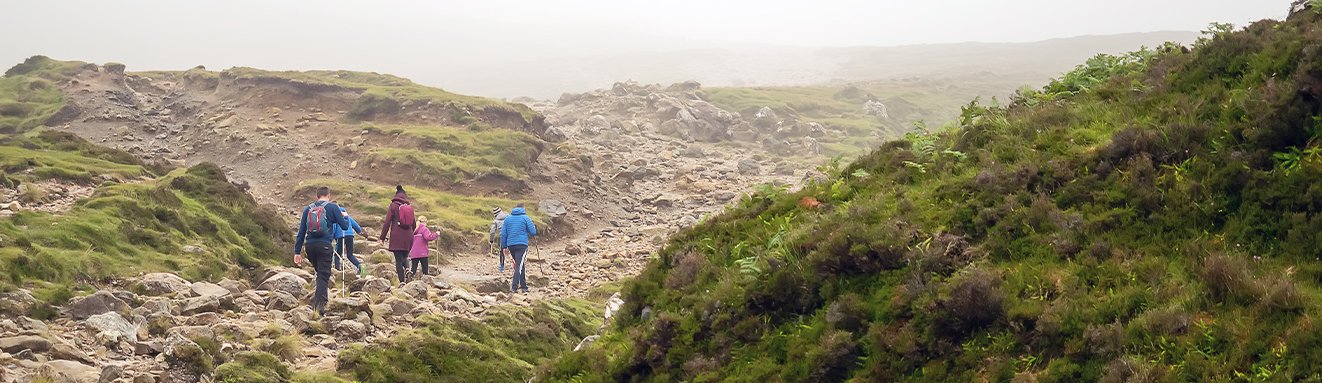
Summer is one of the best times to explore the beautiful hiking trails Ireland has to offer. From coastal cliff walks to mountain trails and forest paths, hiking is a fantastic way to stay active, improve fitness, and enjoy the outdoors. However, uneven terrain, long distances, steep climbs, and unpredictable weather can place significant strain on the body if you are not properly prepared. Taking a few simple physiotherapy-informed precautions can help reduce the risk of injury and make your hikes more enjoyable.
Gradual Preparation and Fitness Building
Preparation is one of the most important factors in preventing hiking injuries. Many people head out on long walks without gradually building their fitness beforehand, which can lead to sore knees, ankle pain, calf strains, or lower back discomfort. Increasing walking distance and hill exposure gradually in the weeks leading up to a hike helps the muscles, joints, and tendons adapt more safely to the demands of uneven ground and prolonged activity.
Footwear and Ankle Support
Proper footwear is essential for safe hiking, particularly on Ireland’s rocky, muddy, and often slippery terrain. Supportive walking shoes or hiking boots with good grip can help improve stability and reduce the risk of slips and ankle sprains. Footwear should feel comfortable and supportive from the beginning, as poorly fitting boots can contribute to blisters, foot pain, and altered walking patterns that place extra strain on the knees and hips.
Strength and Stability Training
Many hiking-related aches and pains are linked to muscle fatigue and reduced stability. Strengthening exercises for the hips, glutes, calves, and core can improve balance and support the joints during long walks and steep descents. Stronger muscles help absorb impact more efficiently and reduce stress on the knees and ankles, especially when navigating uneven surfaces or carrying a backpack.
Warming Up Before Your Hike
Warming up before setting off is often overlooked but can make a noticeable difference. Gentle mobility exercises and a few minutes of brisk walking can help prepare the muscles and joints for activity. Starting too quickly on steep inclines without allowing the body to warm up may increase the risk of strains or excessive fatigue early in the hike.
Pacing, Hydration, and Managing Fatigue
Pacing yourself during the walk is equally important. Long hikes can place repetitive stress on the body, especially during downhill sections where the knees and quadriceps work harder to control movement. Taking short breaks, staying hydrated, and avoiding sudden increases in pace can help manage fatigue and reduce overload on the joints and muscles.
Backpack Fit and Load Management
Back and shoulder discomfort are also common during hiking, particularly when carrying heavy or poorly fitted backpacks. Keeping the load balanced, adjusting straps correctly, and avoiding unnecessary weight can help reduce strain through the neck, shoulders, and lower back. A properly fitted backpack should distribute weight evenly rather than pulling the body backwards or causing excessive forward leaning.
Listening to Your Body and Preventing Injury
Listening to your body is key during any outdoor activity. Mild muscle tiredness may be expected after a long hike, but persistent pain, swelling, or sharp discomfort should not be ignored. Continuing to push through pain can turn a minor irritation into a more significant injury. Physiotherapy can help identify movement issues, improve strength and mobility, and support recovery if discomfort develops.
Enjoying Ireland’s Trails Safely
Ireland’s landscapes offer incredible opportunities for hiking and outdoor adventure during the summer months. With the right preparation, supportive equipment, and attention to your body’s needs, you can enjoy the trails safely while reducing the risk of injury and staying active all season long.
Meet Your Physio

Susan Dooley is a Chartered Physiotherapist with a special interest in musculoskeletal and sports injuries, as well as women’s health conditions. She enjoys helping people recover from injury, manage pain, and return to the activities they love with confidence. Susan combines evidence-based physiotherapy with Pilates-based rehabilitation to support strength, movement, and long-term recovery.

Sports Physio Clinic
Our clinic helps runners of all levels move more efficiently, recover safely, and reach their goals with professional guidance.