
Winter Warm-ups: Why Cold Muscles Need Extra Care
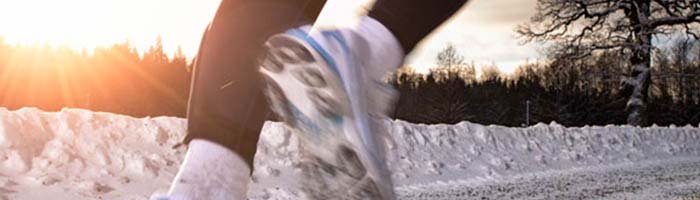
It’s that time of year when the evenings are long, the days are shorter and we’re all in our winter woollies. At this time of year it can be tempting to switch the good exercise habits formed in the long summer evenings for a cosy night in front of the fire. The end of daylight savings means it’s more difficult for many of us to see daylight from one end of the week to the other. But making the effort to continue exercise can have many health benefits over the long winter months.Regular exercise has been shown to have a positive effect on the immune system. People who exercise regularly experience less minor illnesses such as colds and flus than those who don’t. With winter being a prime time to develop these illnesses getting some regular exercise could help keep you healthy this winter.
so why are colder muscles more vulnerable than warm muscles?
The elasticity is reduces - this severely increases the risk of snapping.
Decreased blood flow - when cold, blood vessels narrow, this reduces blood flow or the muscles making them fatigue much faster.
Pain - Any current injuries or aches pain can feel worse as the cold can stimulate pain receptors.
Take Time to Warm Up
In the colder months, your muscles usually need a bit more time and care before they are ready to work properly. Doing a short warm up indoors before heading outside for your exercise can really help. Doing simple movements like;
Walking up and down the stairs
Marching the on spot
Jumping jacks
Squats
Arm and leg swings
All these will help get the blood flow going and loosen tight muscles.
Dress Right for the Conditions
Wearing several thin layers of clothing helps trap warm air between each layer, keeping you considerably warmer than if you were to wear one heavy layer.
Choosing the right fabric may also prove beneficial. Material such as polypropylene, capilene and some wool/synthetic blends wick moisture away from the body, keeping you somewhat warmer and drier.
Wear a protective shell. A waterproof windbreaker or shell layer will help protect you against the wind and precipitation.
Be seen - chances are with limited daylight hours you may be exercising in dark or poorly light conditions. Wear reflective, fluorescent gear that can easily be seen in the dark.
As the temperature drops particularly if it’s below freezing consider wearing a hat and gloves. Your body will lose heat through exposed skin, covering up will help prevent this.
Wear Appropriate Footwear
Good footwear is important all year round, but winter surfaces can be more slippery and uneven. Shoes that offer proper support, grip and some protection from wet conditions can help reduce stress on your joints and lower the risk of slips or overuse injuries.
Socks are often overlooked but they matter too. In colder months, thin wool or thermal socks can help keep your feet warm while still allowing moisture to escape, helping to prevent blisters and discomfort.
Change Out of Damp Clothing Quickly
Once you stop moving, your body temperature can drop quite quickly, especially if your clothes are damp with sweat. Changing into dry, warm clothing as soon as possible can help prevent chills and stiffness.
If you are not heading straight home, having spare layers with you is a good idea. Putting on a dry hat and having a warm drink after activity can also help with recovery and comfort.
If you have concerns about exercising in cold weather, recurring injuries or ongoing stiffness during winter, a physiotherapist can offer tailored advice and support. Don’t hesitate to get in touch with your local physiotherapy clinic for guidance.

Lesley Lowe leads the Sports Physio Clinic. She has worked with multiple sports clubs over the years including rugby, football, hurling and hockey clubs and she has worked at the Dublin city Marathon.

Sports Physio Clinic
Our clinic helps runners of all levels move more efficiently, recover safely, and reach their goals with professional guidance.