
Is It Better to Rest or Stay Active with Plantar Fasciitis?
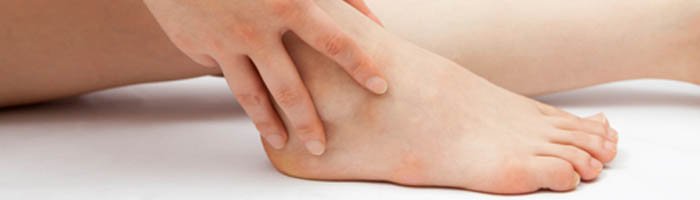
Plantar fasciitis, also known as plantar fascia pain, is a condition that causes discomfort in the foot. It is typically recognised by ‘first step pain’, a sharp pain when putting weight on the foot in the morning or after prolonged sitting. This overuse injury is common among individuals who stand for extended periods or have recently increased their activity levels. The pain usually develops gradually and is most often felt on the inner side of the foot.
Should You Keep Moving or Rest?
If you’re dealing with plantar fasciitis, finding the right balance between rest and activity is key. Complete rest can lead to stiffness, while too much activity can worsen the pain.
Walking alone may not necessarily worsen the condition, but excessive walking, especially without proper footwear or support, can inflame the plantar fascia and trigger flare-ups.
When to Rest
If the pain is severe, reduce high-impact activities like running or jumping to prevent further strain.
Avoid prolonged standing or walking on hard surfaces when symptoms are at their worst.
Use ice, elevation, and gentle massage to help reduce inflammation.
When to Stay Active
Engage in low-impact activities like swimming, cycling, or yoga to maintain fitness without aggravating the condition.
Incorporate stretching and strengthening exercises for the foot, calf, and Achilles tendon to improve flexibility and reduce pain.
Gradually reintroduce walking or running with supportive footwear to aid recovery.
What to Avoid with Plantar Fasciitis
High-impact exercises like running or jumping.
Prolonged standing, especially on hard surfaces.
Ignoring the pain - continuing intense activity can worsen micro-tears in the fascia.
Pushing through the pain instead of addressing the root cause.
What to Do Instead
Seek treatment if pain persists from a physiotherapist
Wear supportive shoes with proper arch support.
Stretch regularly - tight muscles in the feet and calves can aggravate plantar fasciitis. Stretching is one of the most effective ways to relieve heel pain and prevent further issues.
By taking the right steps and maintaining a balance between rest and movement, you can manage plantar fasciitis effectively and support long-term recovery.
FAQ
-
Recovery varies from person to person. Mild cases may improve within several weeks, while persistent or more severe plantar fasciitis can take several months. Addressing contributing factors early can help prevent it from becoming a long-term problem.
-
During sleep, the plantar fascia and calf muscles can become less flexible. The first few steps stretch the tissue suddenly, which can cause the characteristic sharp pain. Symptoms often ease as the foot warms up and starts moving.
-
Walking barefoot isn't necessarily harmful for everyone, but it can increase discomfort when the plantar fascia is already irritated, particularly on hard floors. Supportive footwear may be more comfortable during a flare up.
-
It can improve without formal treatment, particularly when the aggravating factors are addressed. However, persistent symptoms shouldn't simply be ignored. Early assessment can help identify why the problem has developed and prevent it from becoming chronic.
-
Yes. A sudden increase in activity, returning to running too quickly, unsuitable footwear or ongoing weakness and stiffness can contribute to symptoms returning. Gradually rebuilding activity can help reduce the risk of recurrence.

Physiotherapy
We specialise in the treatment and prevention of injuries and conditions. If you are suffering with any health aliments that you feel we could help you with, get in touch today. We provide treatment for a wide age range from 9 years to 90 years old.