

How Physiotherapy Can Help With Nocturia
Waking up multiple times at night to urinate, known as nocturia, is one of the most common sleep disruptors in adults. While many people assume it’s just part of ageing, there are effective strategies to manage it, and physiotherapy can play an important role.
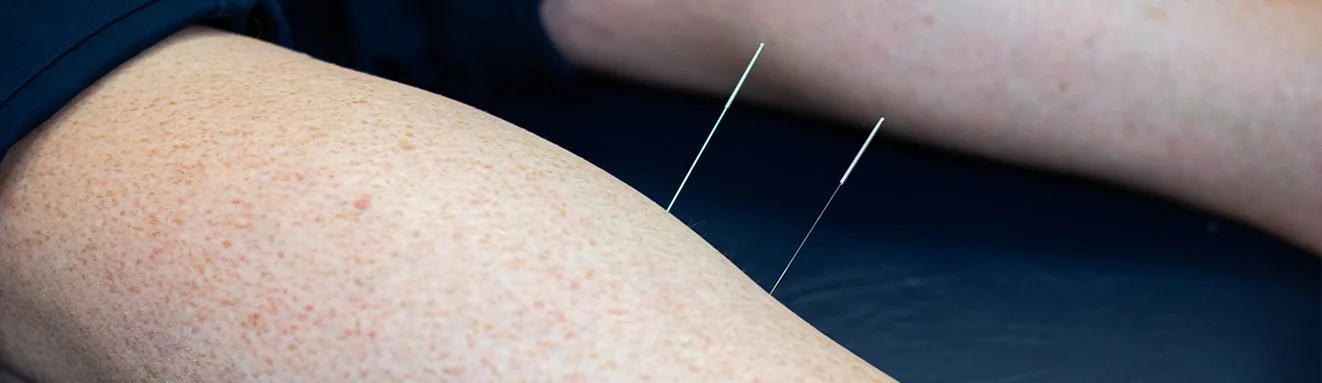
How Does Dry Needling Work?
If you’ve ever experienced stubborn muscle tightness or persistent pain that just won’t budge, no matter how much stretching or massage you do, you may have been told to try dry needling. But what exactly is it? And more importantly, how does it work?

Can I return to Sports or Exercise with Tendonitis?
If you’ve been diagnosed with tendonitis, you’re likely asking the big question: “Can I still play sport or exercise?” The short answer is: yes, but with the right plan and guidance.

Safe Exercises to do After Giving Birth
Returning to exercise after having a baby can feel overwhelming, but with the right guidance and timing, it can become a healthy and empowering part of your postpartum recovery.

Elderly & Geriatric Physiotherapy
Physiotherapy for geriatric and elderly patients is essential in helping older adults stay or become comfortable, pain free and independent. Getting older doesn’t mean you have to stop exercising, in fact, movement is more important.

Finding Relief from Metatarsalgia: A Physiotherapist’s Guide to Treating Forefoot Pain
Metatarsalgia is a common yet often misunderstood condition that causes pain in the forefoot, specifically under the metatarsal heads, the bones just behind your toes.

Gilmore’s Groin: Understanding and Treating the Hidden Cause of Groin Pain
Gilmore’s Groin, also known as sportsman’s hernia or athletic pubalgia, is a complex and often misunderstood cause of chronic groin pain, especially in athletes. Unlike a traditional hernia, there’s no visible bulge, which can make diagnosis tricky and frustrating for those affected.
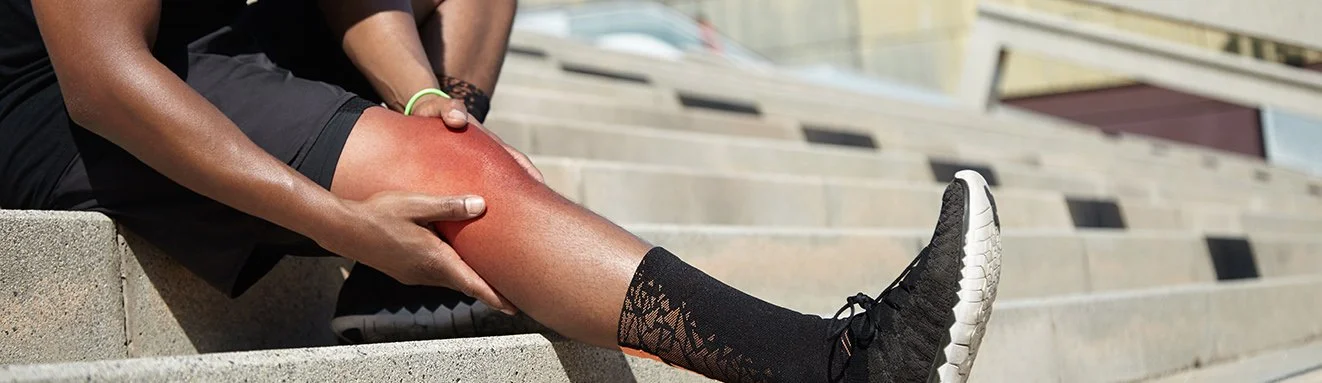
Understanding Chondromalacia Patella: Why Your Kneecap Hurts and How Physio Can Help
Chondromalacia patella, often called “runner’s knee”, is one of the most common causes of anterior (front) knee pain. It occurs when the cartilage on the underside of the kneecap becomes soft or damaged, leading to pain and inflammation.