
What is Iliopsoas Strain?
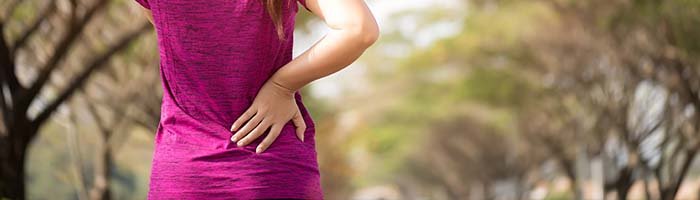
The iliopsoas muscle is in the hip flexor muscle group. An iliopsoas strain occurs when one or more of these hip flexor muscles become either stretched or torn. The hip flexor muscles are responsible for moving the knee towards the chest during activity. If the tension is more than the muscle can tolerate, these muscle fibres may tear. When a strain occurs within this muscle group, it is most commonly found in the iliopsoas muscle which runs from the lower back and pelvis to the femur.
An iliopsoas strain is most commonly caused by sudden movements such as sprinting, kicking and changing direction while running. Therefore, individuals who participate in sporting activities such as running, martial arts, soccer and hockey are more likely to experience this type of injury. Other factors which can contribute to a strain within the hip flexor muscle group include muscle weakness and tightness, inappropriate training, not warming up correctly, joint stiffness, poor biomechanics, decreased fitness and poor core stability.
What are the Symptoms of Iliopsoas Strain?
Patients who suffer an iliopsoas strain usually feel a sudden sharp pain or pulling sensation. This pain in either the front of the hip or the groin. This occurs when the individual lifts the knee towards their chest or walking, climbing stairs and from sitting to standing. Individuals may also experience stiffness after a long period of rest, swelling, tenderness and bruising within the area.
You may be able to keep exercising. It is dependent on the severity of your injury. A minor iliopsoas strain injury may take up to three weeks to fully recover. More serious strains and tears could take up to eight weeks of recovery before returning to your activity of choice.
What is the Best Treatment for an Iliopsoas Strain Injury?
Initially, it is important to rest the injury to allow time for pain to decrease. For the first few days, apply ice for 20 minutes every 3 or 4 hours for swelling to go down.
Physiotherapy treatments such as soft tissue massage, joint mobilisation, dry needling and ultrasound therapy can be very beneficial in the initial stages of treating an iliopsoas strain injury. Once initial pain and inflammation has settled, a biomechanical assessment may be carried out. It assess your lower limb function and to identify any other factors that may have caused the injury.
Your physiotherapist may prescribe you with a programme of flexibility and strengthening exercises. These will target the muscles around the hip area and help you to gradually return to activity. You may also be given core strengthening exercises to help improve the stability of the pelvis area which will help to prevent any further overuse problems in the pelvis and groin.
One you return to activity, it is important to ensure that you take steps to prevent any further injuries. Warming up correctly before sporting activities is very important. It helps to increase the temperature of muscle tissue which decreases the probability of sustaining a muscle or tendon injury. Wearing compression clothing can also be very beneficial especially among runners and sprinters, as the clothing helps to maintain muscle temperature in the groin and pelvic area.
If you have suffered an iliopsoas strain injury, contact us here at Ballsbridge Physiotherapy Clinic. Our physiotherapists are expertly trained in treating a range of sport related injuries and providing biomechanical assessments to ensure that you can prevent any further injuries in the future.
Patient Testimonial
“Attending physio here has impacted my quality of life significantly. I am in my early twenties and broke my tailbone when I was younger. I had severe pain in my pelvic floor and in my upper back which affected my ability to sleep, walk, and get through the day. Aileen has managed to completely remove any pain and tension from my pelvic floor and my upper back. My flexibility has improved massively and I can finally sleep the whole way through the night! There’s nothing I can’t do anymore and the relief is immense both physically and mentally. Thanks for everything.”
Related Blogs
-
The iliacus muscle is a flat triangular muscle located deep in your pelvis/hip. It combines with your psoas major and psoas minor to form the iliopsoas muscle. This group of muscles help to flex your hip, anteriorly tilt your pelvis, bend your trunk forward, and side bend your trunk. It plays a big role in your everyday life during walking, running, sitting, or standing.
-
Snapping Hip Syndrome (SHS) also known as Dancer’s hip is mostly recognised by patients as a sound of a “click” or “snapping” sound/sensation in the hip when the hip joint is being moved in certain directions or positions.
This sound usually represents a tendon snapping across the hipbone. This motion can create friction and irritation to the soft tissues in the area which can cause pain.
-
The hip flexor muscles are connected from the pelvis, lower back and groin area to the femur bone. Their job is to move the femur bone upwards toward your chest, flexing the hip joint. The two main muscles in this group are iliopsoas and rectus femoris.
-
You may have heard some of these terms to describe overuse conditions like tennis elbow, Achilles tendonitis or plantar fasciitis. Let’s go through these terms and what they mean for your recovery.
Tendon: This is what connects muscles to your bones and is a common site for pain and overuse injuries.
Meet Your Physio’s

Aileen Maquire
Aileen is a Chartered Physiotherapist and Clinic Director with over 30 years of clinical experience. She has a specialist interest in treating pelvic and hip pain. By combining her musculoskeletal expertise with advanced pelvic knowledge, Aileen provides a comprehensive approach to supporting you regain movement and reduce pain.

Lesley Lowe
Lesley is a Chartered Physiotherapist with over 10 years of experience in private practice. She specialises in musculoskeletal rehabilitation, balance and vertigo, and is a certified Pink Ribbon Breast Cancer physiotherapist. As a qualified APPI Pilates instructor, she enjoys helping people stay active, strong, and confident in their movement.
Pelvic Health Services
Our Clinic Director, Aileen Maguire runs the pelvic floor rehabilitation service in the clinic. Treating both male and female patients with bladder and bowel incontinence and pelvic pain. She also works with the Mater University Hospital, within a multi-disciplinary team; managing a complex group of patients requiring pelvic floor rehabilitation.